Menopause Belly fat: Nutrition strategies for Weight Gain, Waistline Changes & Hormonal Support

Menopause can bring many changes, but one of the most frustrating for many women is the sudden shift around the waistline. You may be eating the way you always have, moving the way you always did, and still noticing that your belly feels softer, heavier, or more stubborn than before.
I want to point out that this is not a failure of discipline. It is not simply because you are “getting lazy” or “not trying hard enough.” During perimenopause and menopause, your body is changing. Hormones shift, sleep can become disrupted, stress tolerance may change, muscle mass naturally declines with age, and fat distribution may move more toward the abdomen. Harvard Health explains that as oestrogen levels drop, women may store more fat around the abdomen rather than the hips and thighs, while declining muscle mass can reduce how many calories the body burns at rest.
At Navigating & Nurturing You, we do not believe in punishing diets, shame-based weight loss, or extreme food rules. We believe in understanding your body, identifying your patterns, and choosing realistic strategies that support your wellbeing. This is where our Symptom-to-Strategy™ approach comes in.
The goal is not to fight your body. The goal is to understand what your body may be asking for and respond to it with care, structure, and practical support.
Why Menopause Belly Fat Happens and Nutrition
Menopause belly fat is often linked to several overlapping factors, not one single cause.
During midlife, ageing itself can contribute to weight gain because muscle mass naturally declines over time. Less muscle can mean a slower resting metabolism. Menopause also plays a role in fat redistribution, especially around the abdomen. The Menopause Society notes that while ageing is a major driver of midlife weight gain, menopause contributes to increased abdominal fat, which may raise the risk of conditions such as heart disease, diabetes, and certain cancers.
Other factors can also make belly fat and weight changes harder to manage, including:
Poor sleep or waking between 2am and 4am
Increased stress and cortisol patterns
Reduced daily movement
Loss of muscle mass
Blood sugar dips and cravings
Higher alcohol intake
More processed foods or refined carbohydrates
Emotional eating due to anxiety, fatigue, or overwhelm
This is why simply saying “eat less and move more” is too shallow. It misses the real story. Your body is not a spreadsheet. It is a living system.

The Problem With Traditional Dieting in Menopause
Many women respond to menopause weight gain by cutting calories, skipping meals, avoiding entire food groups, or trying another strict diet. The problem? These approaches often backfire.
When you under-eat or restrict too aggressively, you may feel more tired, more anxious, more irritable, and more likely to crave sugar or quick-energy foods later in the day. If your sleep is already poor and your stress is high, extreme dieting can make your body feel even more unsafe.
This does not mean nutrition does not matter, because it really matters! But your approach must be smarter.
Menopause nutrition should focus on stability, nourishment, blood sugar support, muscle protection, gut health, and sustainable routines. Your original draft already highlights many of these foundations, including whole foods, lean proteins, healthy fats, fibre-rich foods, hydration, and avoiding crash diets.
The better question is not: “What diet will flatten my stomach fast?”
The better question is: “What does my body need now to feel stable, nourished, supported, and metabolically healthier?”
That is the shift.
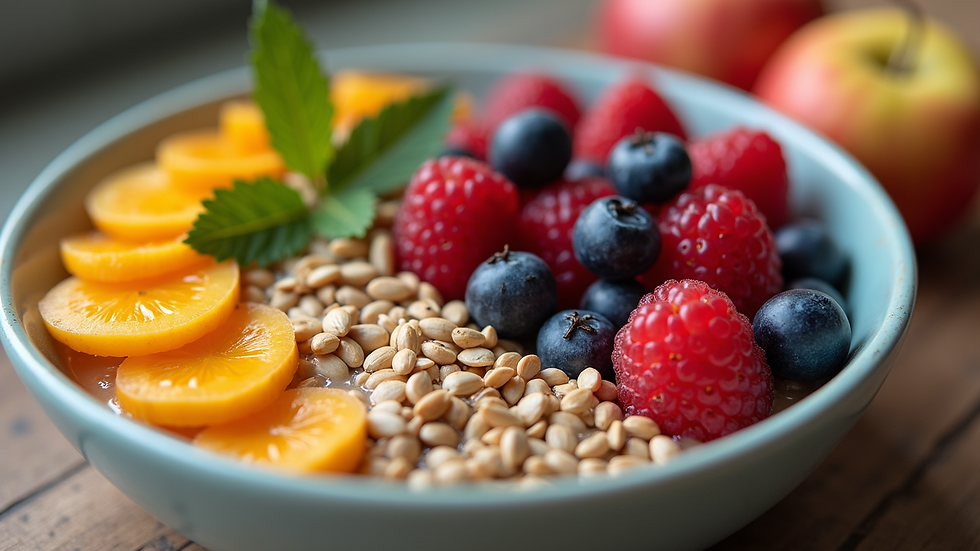
1. Prioritise Protein at Every Meal
Protein becomes especially important during perimenopause and menopause because it helps support muscle mass, fullness, blood sugar balance, and recovery. Since muscle naturally declines with age, protecting and rebuilding muscle is one of the most important strategies for midlife wellbeing.
Harvard Health recommends increasing protein intake and combining this with strength training to help maintain muscle mass and support metabolism during the menopause transition.
Good protein options may include:
Eggs
Chicken
Fish
Greek yoghurt
Cottage cheese
Lentils
Beans
Tofu
Tempeh
Lean meat
Protein-rich smoothies
Nuts and seeds as add-ons
A simple rule: build each meal around protein first, then add fibre-rich carbohydrates, vegetables, and healthy fats. For example:
Breakfast: Greek yoghurt with berries, chia seeds, and nuts.
Lunch: Chicken or lentil salad with avocado and olive oil.
Dinner: Fish, roasted vegetables, and quinoa.
Snack: Boiled eggs, hummus with vegetables, or yoghurt
Protein is not about becoming obsessed with numbers. It is about giving your body the building blocks it needs.
2. Choose Fibre-Rich Carbohydrates
Carbohydrates are not the enemy. The type, amount, and timing matter.
During menopause, many women become more sensitive to blood sugar swings. This can show up as cravings, irritability, energy crashes, anxiety, shakiness, or wanting something sweet in the afternoon or evening.
Refined carbohydrates such as white bread, pastries, sugary cereals, sweets, biscuits, and sweetened drinks can cause sharper blood sugar spikes and dips. Complex, fibre-rich carbohydrates digest more slowly and can help provide steadier energy. Better options include:
Oats
Brown rice
Quinoa
Barley
Sweet potatoes
Butternut
Beans
Lentils
Chickpeas
Vegetables
Berries
Apples and pears with the skin
Fibre also supports digestion and can help with fullness. This matters because bloating, constipation, and digestive changes are common complaints during midlife. A practical swap: Instead of toast with jam for breakfast, try oats with protein yoghurt, cinnamon, chia seeds, and berries.Instead of a plain pasta-heavy dinner, try a smaller portion of wholegrain pasta with chicken, vegetables, olive oil, and salad.Instead of biscuits at 3pm, try apple slices with peanut butter or Greek yoghurt with nuts.
The goal is not “no carbs.” The goal is smarter carbs.
3. Add Healthy Fats Without Fear
Many women were taught to fear fat. But healthy fats play an important role in satisfaction, brain health, hormone production, and steady energy. Helpful fat sources include:
Avocado
Olive oil
Nuts
Seeds
Salmon
Sardines
Mackerel
Flaxseeds
Chia seeds
Nut butters
The key is balance. Healthy fats are nourishing, but they are also energy-dense. A drizzle of olive oil, a small handful of nuts, or a quarter to half an avocado can be enough to make a meal more satisfying. Think of healthy fats as part of the plate, not the whole plate.
4. Reduce Refined Sugar and Ultra-Processed Foods
This is not about perfection. It is about noticing what your body responds to. Many women find that sugar, alcohol, and ultra-processed foods worsen symptoms such as hot flushes, poor sleep, cravings, mood swings, bloating, and low energy. It is advisable for reducing possible hot flush triggers such as spicy foods, caffeine, hot drinks, smoking, and alcohol, while also supporting regular exercise and stress reduction. Start by watching your personal patterns. Ask yourself:
Do I sleep worse after wine or sugary snacks?
Do I wake up around 3am after a high-sugar evening?
Do I feel more anxious after too much caffeine?
Do I crave more sugar when I skip protein?
Do I feel bloated after certain processed foods?
This is not about judgment. This is data. Your body is giving you clues. The strategy is to listen. Incorporating nutrition for menopause belly fat into Your Lifestyle
Finding a sustainable diet plan tailored to menopause can feel overwhelming. But it doesn’t have to be complicated. The key is to focus on nutrient-dense foods that support your hormonal balance and metabolism.
Remember, this is about nurturing your body, not punishing it. Small, consistent changes add up over time. Whether it’s swapping sugary snacks for nuts or adding a daily walk, every step counts.
If you want to dive deeper, exploring nutrition for menopause belly fat can provide structured guidance and meal ideas designed specifically for this phase of life.
5. Support Blood Sugar Balance
Blood sugar instability can make menopause feel much harder. It can affect energy, cravings, anxiety, concentration, mood, and hunger. To support steadier blood sugar:
Eat protein with meals
Do not rely on coffee alone in the morning
Add fibre-rich vegetables or whole grains
Include healthy fats
Avoid skipping meals if it leads to overeating later
Keep balanced snacks available
Walk after meals where possible
Reduce sugary drinks and refined snacks
A blood-sugar-friendly plate may look like this:
½ plate: vegetables or salad
¼ plate: protein
¼ plate: fibre-rich carbohydrate
Add: healthy fat
Example: grilled chicken, roasted vegetables, quinoa, and avocado.
Example: lentil curry with brown rice and salad.
Example: eggs with spinach, mushrooms, tomato, and a slice of wholegrain toast.
Small changes repeated consistently are more powerful than a perfect plan you cannot maintain.

6. Do Not Ignore Sleep
Sleep disruption is one of the biggest hidden drivers of menopause weight changes.
When you are sleeping badly, your hunger hormones, cravings, stress response, motivation, and energy can all be affected. If you are waking between 2am and 4am, battling night sweats, or lying awake with anxiety, your food choices the next day may become harder. Not because you lack willpower, but because your body is tired.
This is why menopause belly fat support cannot only focus on food. Sleep matters. Try:
Reducing caffeine later in the day
Eating a balanced dinner with protein and fibre
Limiting alcohol, especially close to bedtime
Keeping the bedroom cool
Creating a calming evening routine
Reducing late-night scrolling
Tracking whether certain foods trigger night sweats or waking
Caffeine, alcohol, and spicy foods may worsen symptoms such as hot flushes and night sweats for some women, and caffeine close to bedtime may contribute to poor sleep.
Again, your body’s pattern matters. What affects one woman may not affect another.
7. Hydration Helps More Than You Think
Hydration is simple, but it is often a neglected part of Menopause nutrition.
Not drinking enough water can worsen headaches, fatigue, constipation, cravings, dry skin, and brain fog. Sometimes what feels like hunger is actually thirst or low energy. Support hydration by:
Starting the day with water
Keeping a bottle nearby
Adding lemon, cucumber, or mint
Drinking herbal teas
Increasing water when exercising or sweating
Watching alcohol and caffeine intake
Hydration will not magically remove belly fat. But it supports the systems that help you feel better and function better.
8. Combine Nutrition With Strength Training
Food is only one part of the picture. Muscle matters.
As women age, maintaining muscle becomes essential for metabolism, strength, posture, bone health, confidence, and long-term independence. Strength training does not mean you need to become a bodybuilder. It means your muscles need regular resistance. This may include:
Bodyweight squats
Wall push-ups
Resistance bands
Light dumbbells
Pilates
Strength-based gym sessions
Carrying groceries
Step-ups
Lunges
Guided beginner strength workouts
Harvard Health highlights strength training and resistance exercises as a practical way to support muscle strength and metabolism during menopause.
Start where you are. Two short sessions per week can be a strong beginning.

9. Track Your Symptoms, Not Just Your Weight
The scale does not tell the whole story.
During menopause, it is useful to track:
Sleep quality
Energy
Cravings
Mood
Hot flushes
Night sweats
Bloating
Waist measurements
Stress levels
Alcohol and caffeine intake
Protein intake
Movement
Menstrual cycle changes if still menstruating
This is where our Symptom-to-Strategy™ program becomes powerful. You are not just collecting random information. You are looking for patterns that can guide your next step.
For example: If you wake at 3am after wine and sugary snacks, the strategy may be an evening food and alcohol adjustment. If cravings hit every afternoon, the strategy may be more protein at breakfast and lunch. If belly bloating worsens after certain foods, the strategy may be tracking digestion patterns. If fatigue is high and movement is low, the strategy may be gentle walking and strength rebuilding. If weight gain is rapid or unusual, the strategy may be to speak to your medical practitioner and check thyroid, glucose, insulin resistance, medication effects, or other health concerns.
This is how you stop guessing.
10. Build a Menopause-Supportive Plate
Here is a simple framework you can use:
Protein
Chicken, fish, eggs, tofu, beans, lentils, yoghurt, lean meat.
Fibre
Vegetables, berries, oats, beans, lentils, whole grains, seeds.
Smart Carbohydrates
Sweet potato, brown rice, quinoa, oats, barley, chickpeas.
Healthy Fats
Olive oil, avocado, nuts, seeds, oily fish.
Flavour and Support
Herbs, spices, lemon, garlic, ginger, fermented foods if tolerated.
Hydration
Water, herbal teas, infused water.
A menopause-supportive meal should leave you feeling satisfied, not punished.
Sample Day of Menopause-Friendly Eating
Breakfast
Greek yoghurt with berries, chia seeds, cinnamon, and nuts or Scrambled eggs with spinach, mushrooms, tomato, and wholegrain toast
Mid-Morning Option
Apple slices with peanut butter or Boiled egg with cucumber sticks
Lunch
Grilled chicken or lentil salad with mixed vegetables, avocado, olive oil, and quinoa
Afternoon Option
Plain yoghurt with seeds or Hummus with carrots and cucumber
Dinner
Salmon or tofu with roasted vegetables and sweet potato or Bean and vegetable stew with brown rice
Evening Option
Herbal tea or a small protein-rich snack if you wake hungry at night
This is not a strict meal plan. It is a guide. Your preferences, culture, budget, medical history, and lifestyle all matter. Remember it is important to always consult your medical practitioner before making any dietary changes.
When to Speak to a Medical Practitioner
Menopause weight changes are common, but you should speak to a qualified medical practitioner if you experience:
Sudden or unexplained weight gain
Severe fatigue
Heart palpitations
Heavy or unusual bleeding
Persistent digestive changes
Severe anxiety or depression
Symptoms affecting your daily functioning
Signs of insulin resistance or diabetes
Thyroid concerns
New or worsening pain
NNYou provides coaching, education, symptom awareness, lifestyle support, and practical guidance. We do not diagnose, prescribe, or replace medical care.
Your medical practitioner can help assess whether hormones, thyroid function, blood sugar, medication, iron levels, vitamin deficiencies, or other health factors may be contributing to your symptoms.
The NNYou Approach: From Symptom to Strategy™
Menopause belly fat is not just a body issue. It is often connected to sleep, stress, hormones, food patterns, emotional wellbeing, movement, confidence, and identity. That is why we use our Symptom-to-Strategy™ approach. We help you:
Identify what symptoms are showing up
Notice when and how they happen
Understand possible lifestyle triggers
Connect patterns between food, sleep, stress, mood, and energy
Choose practical next steps
Review what is working
Adjust without shame or pressure
Because every woman’s journey is unique. What works for your friend may not work for you. What worked for your body at 35 may not work at 45, 50, or 55. This does not mean your body is broken. It just means that your strategy needs to change.
Final Thoughts: This Is Not About Punishment
Menopause belly fat can feel emotional. It can affect how you dress, how you move, how confident you feel, and how connected you feel to your body.
But your body is not the enemy.
This season is asking for a different level of care. More protein. More strength. More sleep support. More blood sugar stability. More compassion. More honest tracking. Less punishment. Less guessing. Less shame.
You do not need another extreme diet. You need a strategy that fits your body, your symptoms, and your real life.
At Navigating & Nurturing You, we help women move from confusion and overwhelm to clarity, confidence, and practical support.
If menopause belly fat, cravings, broken sleep, fatigue, mood changes, or feeling “not like yourself” has become part of your story, you do not have to figure it out alone.
Book a Free Fit Call or explore our menopause coaching resources. Let’s get you supported. 🌿


Comments