Top Natural Methods for Menopause Relief

Natural symptom management (without becoming a full-time wellness monk) 😅
Menopause isn’t a “before and after” photo. It’s more like a software update you didn’t schedule — and now your body is glitching at 2am with a surprise sauna mode. 🔥🌙
But here’s the thing: you don’t have to choose between suffering in silence or jumping straight to meds/HRT. For many women, the sweet spot is a smart, layered toolkit. Starting with natural strategies that actually support your body (not punish it). Let’s get into it.
What “natural menopause symptom management” really means
Natural management isn’t “ignore science.” It’s working with your biology through food, movement, sleep, stress support, and targeted herbs/supplement, so symptoms ease up and you feel like yourself again.
Menopause symptoms can show up as:
Hot flashes + night sweats
Mood swings, anxiety, irritability (“why am I crying at an ad?”)
Sleep disturbances
Weight changes and low energy
Brain fog (where did the word go??)
The goal isn’t perfection. The goal is relief, stability, and confidence.

The big 3 that move the needle (a lot)
1) Food that supports hormones, mood, and energy 🥑
If your meals are mostly beige, your symptoms will be loud. (No judgement — just facts.) Focus on:
Whole foods: vegetables, fruit, lean protein, legumes, whole grains
Healthy fats: olive oil, avocado, nuts, seeds
Steady blood sugar: protein + fiber at meals (hot flashes and mood swings often love chaos in your glucose)
Phytoestrogen foods (plant compounds that can gently act estrogen-like in the body) may help some women:
Ground flaxseed
Soy foods (tofu, tempeh, edamame)
Chickpeas and other legumes
Not magic and not instant. But for many? Worth it.
2) Movement that calms your body, not fights it 🚶♀️🏋️♀️🧘♀️
Exercise is a menopause cheat code. Not because it “fixes” everything, but because it improves mood, sleep, strength, and stress resilience.
A solid mix:
Walking (especially after meals)
Strength training (hello bone density and strength + metabolism support)
Yoga/mobility movements (nervous system calming + stress reduction)
Hot take: your workouts should make you feel more alive, not more destroyed.
3) Sleep hygiene that treats your bedroom like a recovery lab 😴
Sleep isn’t a luxury in menopause, it’s a symptom management strategy. Try:
Keep the room cool, dark, quiet
Reduce late-day caffeine (at least 8-10 hours brefore bedtime)
Create a short wind-down routine (even 10 minutes helps)
Avoid doom-scrolling (your nervous system does not need Breaking News at 10pm)
If night sweats are your nemesis: use breathable bedding + layered blankets - this can be a game-changer.
Lifestyle tweaks that quietly change everything
Stress management (because cortisol has opinions) 🧠
Menopause can crank up anxiety and irritability, so the goal is to downshift your nervous system daily. Simple, effective options:
Meditation (even 5–10 minutes)
Deep breathing
Journaling (“brain dump” before bed is elite)
Hydration + trigger awareness 💧
Hydration helps overall wellbeing — and many women notice fewer symptoms when they also reduce triggers like:
Alcohol
Caffeine
Spicy foods (for some)
Overheating
Dress like you’re prepared for surprise weather 🌡️
Breathable natural fabrics (cotton, linen) + layers = fewer “I’m melting” moments.
Community support (because you’re not meant to do this alone) 🤝
Talk to women who get it. Friends, groups, online communities who can offer you the support you need. Symptoms feel heavier when you carry them solo.

Best “natural estrogen substitutes” (the realistic version) 🌿
Let’s be clear: these aren’t actual estrogen. But some can help support hormonal balance or reduce specific symptoms for some women. Popular options include:
Soy isoflavones (soybeans, tofu, tempeh) - Often used for hot flashes. Results vary per person.
Flaxseed (lignans) - Easy add-in to smoothies or oats; also supports heart health.
Red clover- Contains isoflavones; commonly used for hot flashes.
Dong quai - Used traditionally for women’s health, often in blends but it’s not a solo “fix.”
Important: If you have a history of hormone-sensitive conditions, take meds, or have medical risk factors, don’t self-prescribe herbs. Get medical guidance.
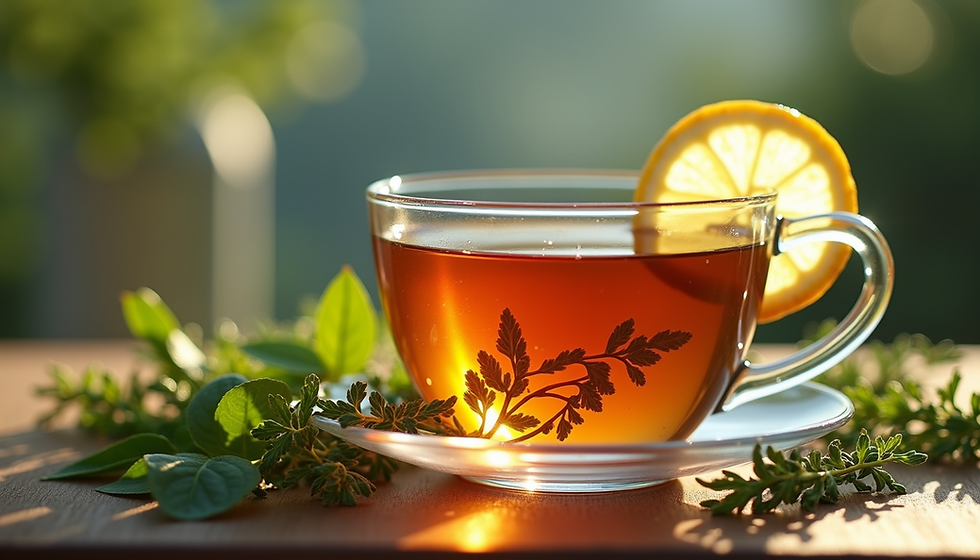
Herbal teas + supplements that can help (comfort + support) ☕
Teas
Chamomile: relaxation + sleep support
Peppermint: cooling and soothing
Hibiscus: antioxidant-rich; some use it for blood pressure support
Supplements (common menopause supports)
Vitamin D + Calcium: bone support
Magnesium: sleep, muscle relaxation, mood support
Omega-3s: inflammation + mood support
Quality matters and so does dosage. If you’re on medication, interactions are real so it is important to loop in a healthcare provider.
Mind-body practices that make menopause feel less… feral ✨
These are underrated because they work “quietly”, but they help your nervous system stop sounding the alarm all day. Try:
Meditation (10 minutes/day can shift mood + stress)
Breathwork (diaphragmatic breathing is powerful)
Tai Chi / Qigong (gentle + grounding)
Acupuncture (some women report fewer hot flashes + better sleep)
The most important truth: your plan should be yours 💛
What works for one woman might do nothing for another and that’s not failure, that’s biology.
Try this instead:
Experiment gently
Change one thing at a time
Track symptoms for 2–4 weeks
Keep what helps, drop what doesn’t
And ask yourself this thought-starter: What if your symptoms aren’t you “falling apart”, but your body demanding a different kind of care?
Menopause isn’t the end, it’s a recalibration. A new chapter where you stop abandoning yourself and start backing yourself, consistently.
You deserve to feel grounded, confident, and vibrant. And yes, you’re allowed to do it with warmth, wisdom, and a little bit of humour. 😉


Comments